

From knowledge to action
The LIFE LUPILYNX project recently celebrated two years of work in the field. Over this period, scientific teams, wildlife conservation experts and local partners have been working together to better understand and strengthen the presence of some of the Iberian Peninsula’s most iconic species: the Iberian wolf and the Iberian lynx — as well as the species that serve as their prey.
Know it to protect it
During the first few months of the project, research was conducted to assess the state of the natural environment in the project area. Teams from CIBIO, the University of Aveiro and Grupo Lobo surveyed the territory to ascertain the presence of wolves, lynx and their prey. The data collected confirmed that wolves are still present in various parts of the project area. The lynx was also confirmed in one of the areas where it had previously been recorded. In addition to field observations, genetic analyses were carried out, enabling the identification of several individual wolves and a female lynx. This information helps to better understand the existing populations and is essential for guiding future actions.

Bringing the wolf and the lynx to the people
Conservation also involves educating and engaging local communities. Since June 2024, itinerant exhibitions dedicated to the wolf and the lynx have been touring various municipalities in the districts of Guarda and Castelo Branco. These exhibitions have already visited 26 locations and welcomed around 23,300 visitors. The purpose is simple: to bring people closer to these species, explain their role in ecosystems and promote a more informed and positive coexistence.

Strengthening the basis of the food chain
The wild rabbit plays a key role in the balance of Iberian ecosystems and is the main prey of the Iberian lynx. For this reason, the project has invested in the creation of a wild rabbit breeding enclosure, with a view to boosting populations in strategic areas for ecological restoration. With the first enclosure already operational, it is hoped that the first reintroductions into the wild will begin shortly – a crucial step in supporting the lynx’s recovery and strengthening the entire ecosystem.
Improving the response to coexistence challenges
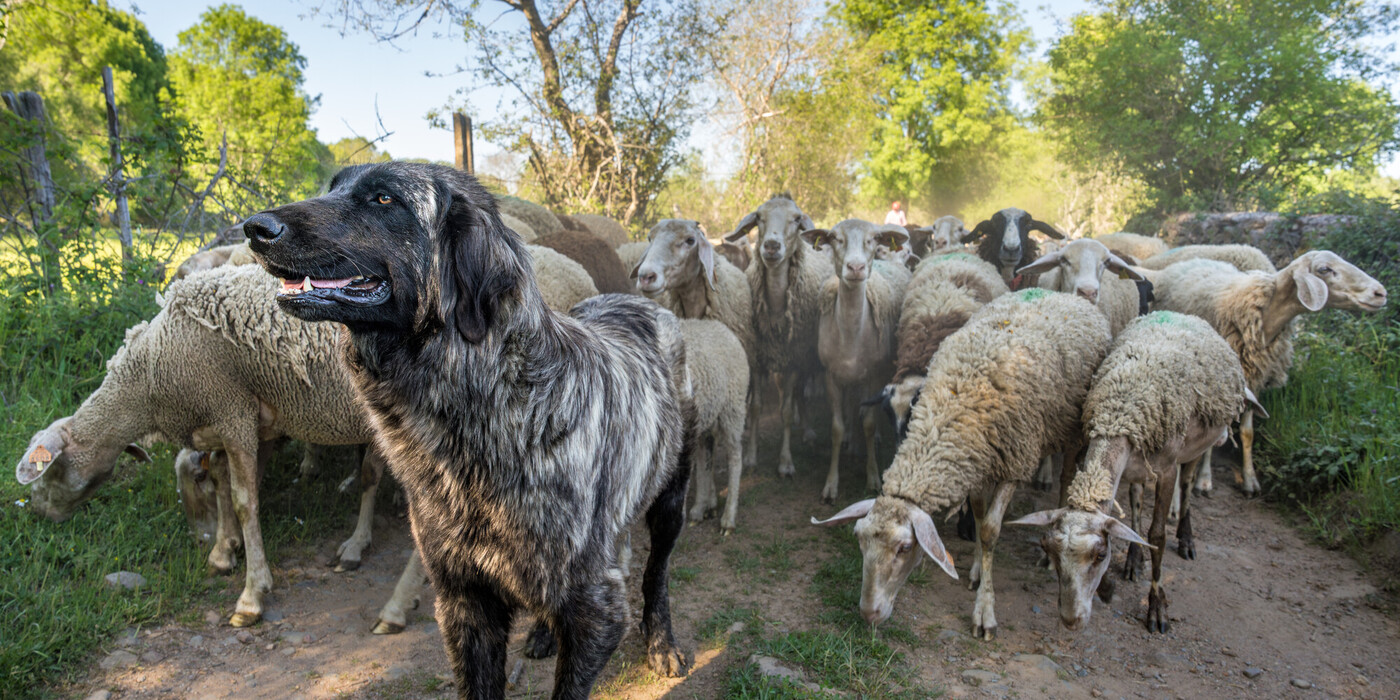
Coexistence between large carnivores and human activities requires knowledge and preparedness. In December 2025, a specialized training course was held on the assessment of predation cases attributed to wolves, aimed at Nature Rangers, ICNF technicians and the academic community. Organised in collaboration with the LIFE WildWolf project and other partner organisations, the training combined a theoretical component with practical exercises, enabling participants to strengthen their skills in analysing livestock damage incidents.
Reflecting on the role of predators and their prey
In May 2024, the project organised a conference dedicated to the role of ungulates and predators in the functioning of Iberian ecosystems. The event brought together experts to discuss topics such as the importance of these species in vegetation dynamics, fire prevention, rewilding processes, and how they are perceived by local communities. With an open discussion format it facilitated a constructive dialogue between researchers, technical experts and other conservation stakeholders.
Two years after its launch, LIFE LUPILYNX demonstrates that conservation is much more than just protecting individual species. It involves understanding the territory, reinforcing natural balances, engaging people and creating the conditions for wolves, lynx and human communities to share the landscape more harmoniously.
The project is a cross-border initiative aimed at contributing to the conservation of the Iberian wolf (Canis lupus signatus) and the Iberian lynx (Lynx pardinus) in the areas south of the River Douro. Co-funded by the European Union through the LIFE Programme, the project has a duration of 5 years and its main objectives are to improve the social and ecological conditions for the Iberian wolf and lynx and to help communities live in harmony with wildlife, ensuring suitable habitat conditions and coexistence with human activities.

Photo credits (in order of appearance): Andoni Canela, Rewilding Portugal, Staffan Widstrand, Marcus Westberg.

