
"Fojo do Lobo" restored and inaugurated to preserve the living memory of the territory and promote coexistence
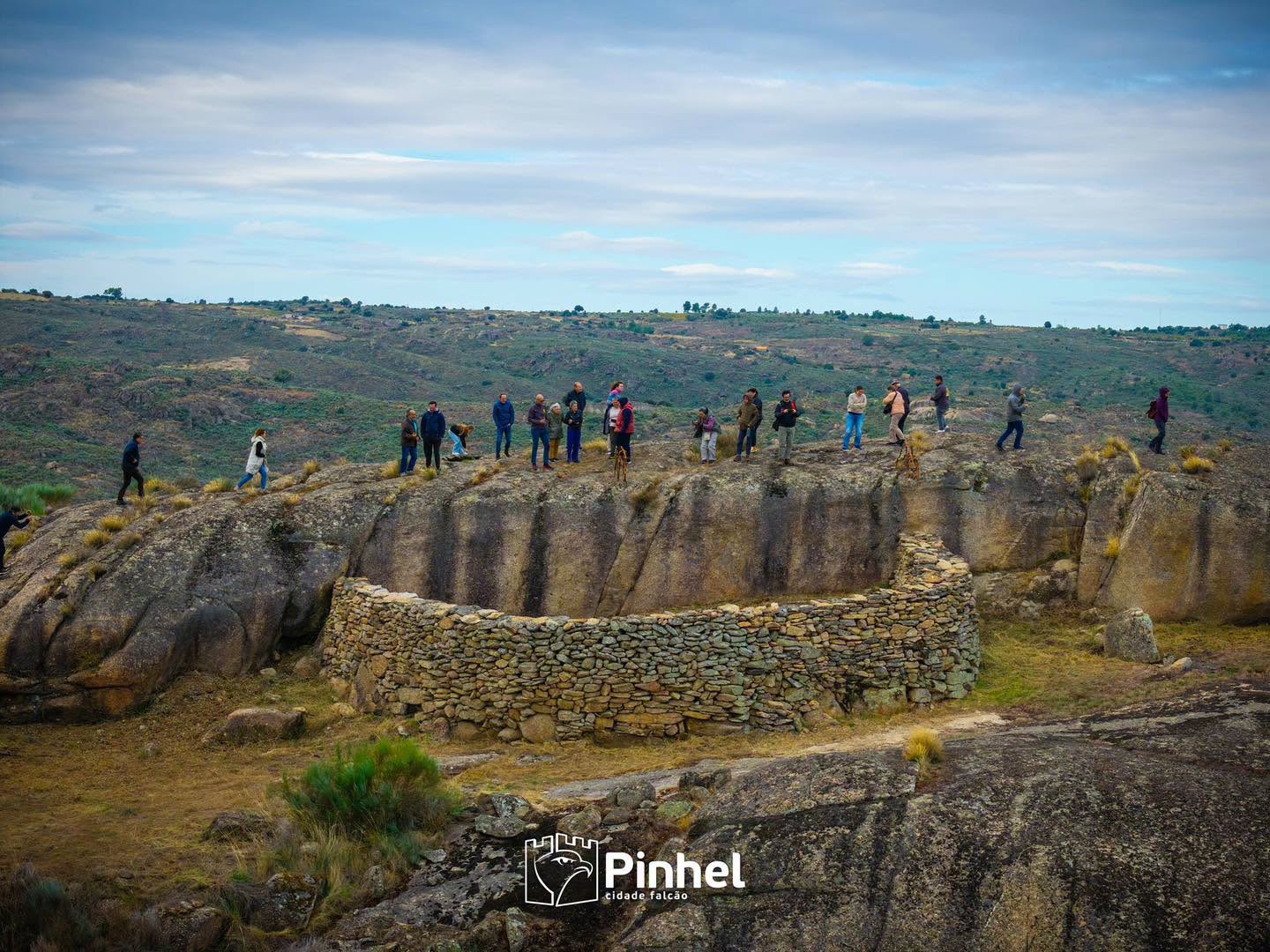
The Fojo do Lobo (a wolf trap) located in the Ermo das Águias rewilding area (municipality of Pinhel) was inaugurated on 18 October. The initiative was promoted by Rewilding Portugal in partnership with the Municipality of Pinhel and was part of the "Ambassador Municipality 2026" initiative of the LIFE LUPI LYNX project.
The restoration of this historic structure gives visibility back to a heritage site that helps us understand the ancestral relationship between local communities and the Iberian wolf, creating a new space for landscape interpretation, education and visitor experiences in the Greater Côa Valley.
The opening ceremony was attended by the Mayor of Pinhel, Daniela Capelo, the Executive Director of Rewilding Portugal, Pedro Prata, the artist Rui Miragaia and the researcher Francisco Álvares, as well as many other enthusiasts and members of local community. The event gave visitors the opportunity to explore the restored structure and admire the artistic installation created for its interior, weaving together the history of the region with knowledge of the ecology and conservation of the Iberian wolf.
During the event, Rui Miragaia explained the creative process and the significance of his work, whilst Francisco Álvares explained the wolf’s historical presence in these landscapes, its relationship with human communities and the challenges of its conservation. The visit also provided an opportunity to reflect on the value of the ‘fojos’ as tangible reminders of a history shared between people and wildlife. The TT Club “Pinhel Fora-de-Estrada” also partnered with the event, assisting with the transport of participants.
The event then continued at the Rewilding Centre in Vale de Madeira, with a screening of the documentary “Natural Variations – On our not always peaceful coexistence with wolves”.
Preserving the memory of a wolf territory
Fojos (wolf traps) are ancient structures designed to capture wolves, built at a time when the protection of domestic animals was of central importance to the subsistence of rural communities. They therefore represent a tangible aspect of the relationship between human populations and this predator, characterised by proximity, conflict and the search for ways to protect livelihoods and means of subsistence.
The example located at Ermo das Águias falls within the category of so-called ‘fojos de cabrita’: enclosures built with stone walls, into which the wolf was lured using an animal as bait. The structure’s design allowed the predator to enter but made it difficult for it to escape.
Its location south of the River Douro gives it particular significance. The vast majority of known wolf traps on the Iberian Peninsula are concentrated in the mountainous regions of the north, notably the Peneda and Gerês mountain ranges. The identification of a trap of this type in the municipality of Pinhel has broadened the understanding of the distribution of these structures in Portugal and of the historical practices associated with the presence of the wolf.
Preserving this heritage helps to keep alive the memory of Pinhel and the Côa River region as wolf territory, and to transmit knowledge to new generations about pastoralism, the organisation of communities and the transformation of the landscape. This restoration also provides a starting point for discussing coexistence in present times, acknowledging the difficulties of the past and highlighting the tools available today to reconcile the conservation of the species with human activities.
“This fojo forms part of the region’s memory and of a recent past in which the wolf was very much present alongside local communities. Preserving it allows us to acknowledge the challenges that this relationship posed to people and to create a space to talk about the future. We want those who come here to better understand the wolf’s role in functioning ecosystems and to learn about the solutions that can help protect livestock and make coexistence possible. By linking heritage, art and conservation, we are also creating new reasons to discover and appreciate this area.” says Pedro Prata of Rewilding Portugal.
An artistic intervention that brings the visitor closer to wildlife
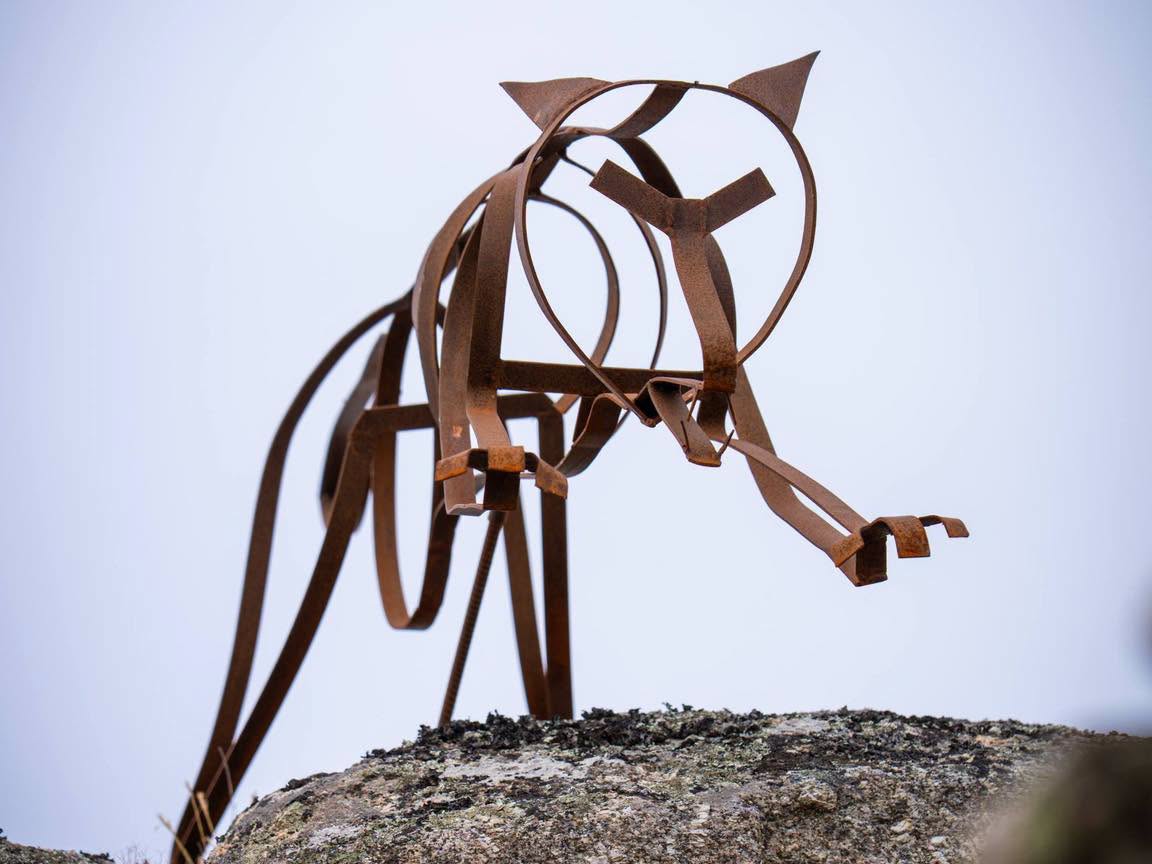
Inside the wolf trap, a sculptural set by Rui Miragaia has been installed, depicting life-sized wolves in the act of hunting an Iberian ibex. The work adds an artistic and interpretive dimension to the visit, inviting the public to observe the wolf as a predator and an integral part of the ecosystem.
The combination of the historical structure and contemporary creation allows for an exploration of different dimensions of the relationship with the species: the memory of its persecution, its ecological role, and the need to create conditions for coexistence. The restored trap thus becomes a space where cultural heritage and nature conservation meet.
New trail and regular visits
The intervention was accompanied by the creation of a hiking trail within the Ermo das Águias, a rewilding area managed by Rewilding Portugal, which allows visitors to reach the trap and experience the landscape in which this structure is set.
Soon, Rewilding Portugal will organize regular guided tours to showcase the trap, the artistic installation, and the history of the wolf in the region. These experiences will connect the discovery of heritage with the ecological restoration work being carried out in the Ermo das Águias, strengthening the bond between nature, culture, and local communities.
With this restoration, Rewilding Portugal aims to ensure that the memory of the wolf remains accessible and integrated into the territory's identity, while simultaneously contributing to new opportunities for education, tourism, and the appreciation of the Greater Côa Valley.
As part of a series of scientific and cultural activities currently taking place and open to the entire local community, the LIFE LUPI LYNX ‘Ambassador Municipality’ initiative focuses on the social and educational aspects of the project: raising awareness of the history of the wolf and the lynx and understanding their relationship with the local area, fostering an informed debate on conservation and coexistence.

