
Reinforcing rabbit populations
As part of the LIFE LUPILYNX project, we are committed to strengthening wild rabbit populations (Oryctolagus cuniculus algirus) in the regions of Guarda and Castelo Branco. The wild rabbit is a key species in the Iberian Peninsula and plays a fundamental role in Mediterranean ecosystems. Besides its importance as prey, the wild rabbit is an ecosystem engineer. Digging burrows improves the structure and fertility of the soil, increases water infiltration and creates refuges used by many other species. Their grazing activity influences the composition and diversity of the vegetation, helping to maintain mosaics of open habitats, characteristic of Mediterranean landscapes and crucial for other species such as partridges. In recent decades, wild rabbit populations have suffered a drastic decline due to diseases such as myxomatosis and viral haemorrhagic fever, changes in land use and habitat fragmentation, with cascading impacts on the entire ecosystem. By supporting these populations we aim to generate positive effects on predators such as the Iberian lynx, the Iberian imperial eagle and the wildcat.
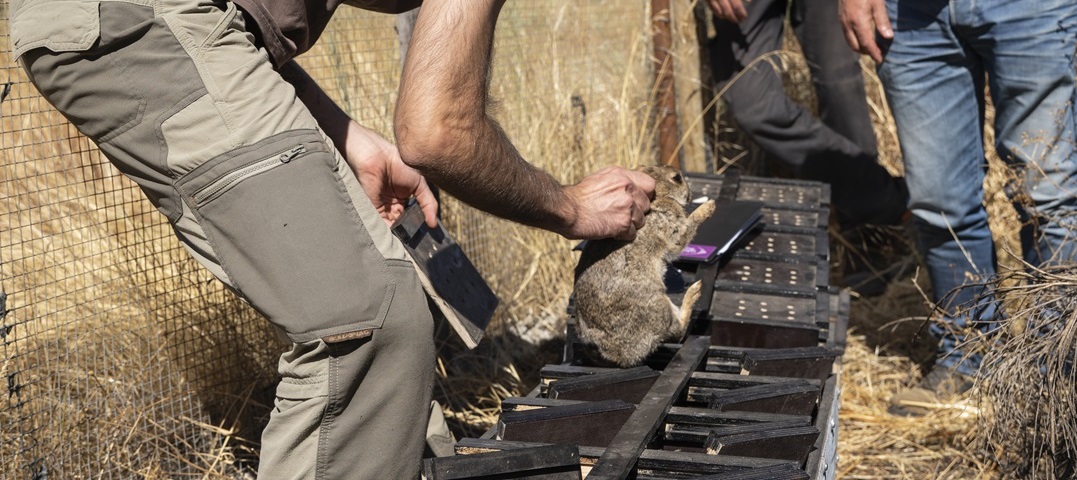
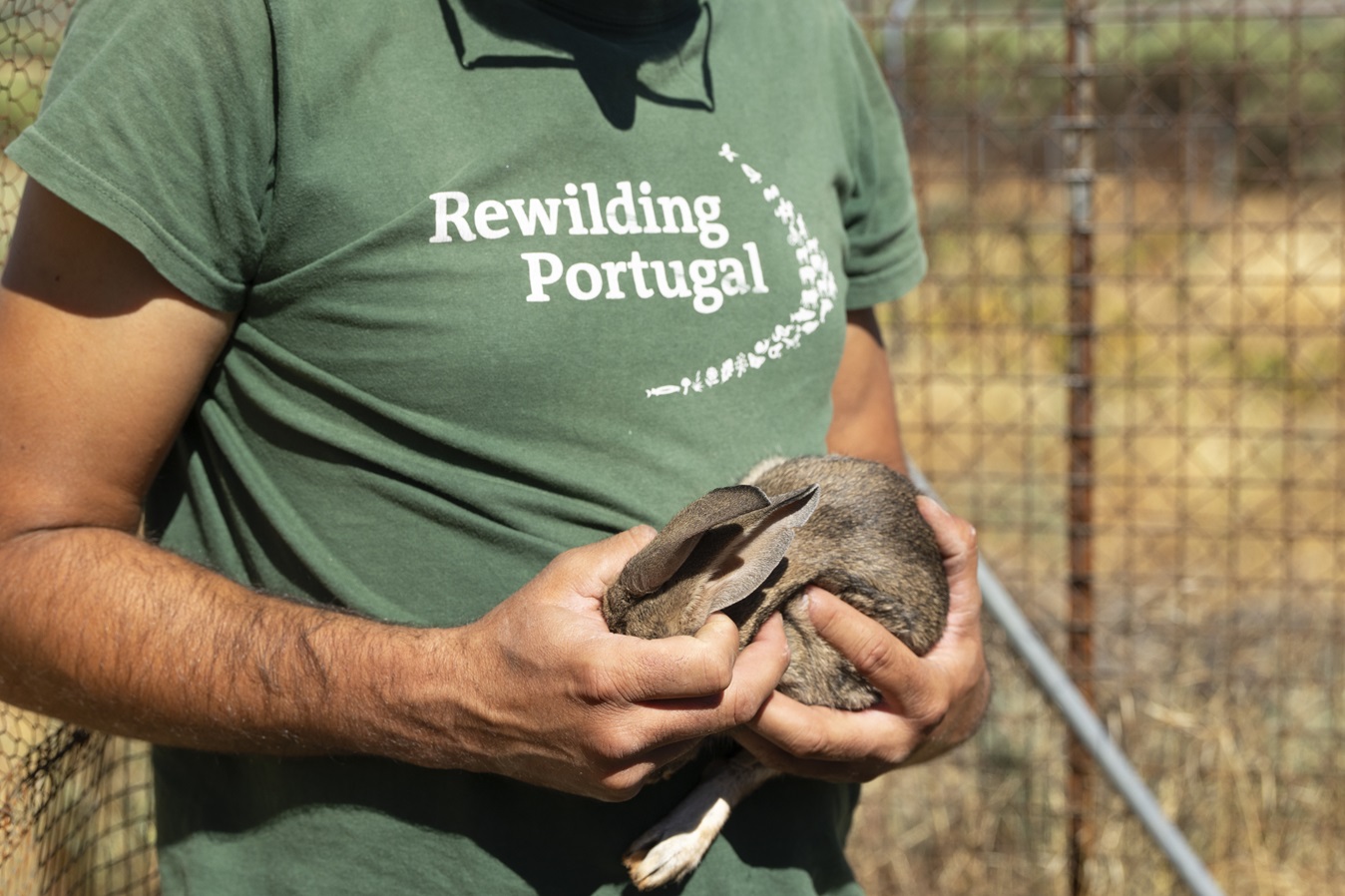
Rewilding Portugal has recently acquired a wild rabbit breeding enclosure. The aim is to breed rabbits for reintroduction at various strategic points in the territory, and careful selection of breeding rabbits and founders is essential. In collaboration with CIBIO, we collected wild animals kindly provided by Herdade de Vale Perditos, in Serpa. This estate has invested in habitat management, predator control and supplementary feeding, resulting in healthy and numerous wild rabbit populations. Also noteworthy is the resilience of this population in the face of outbreaks of myxomatosis and viral haemorrhagic fever, suggesting some natural resistance. Although natural immunity is difficult to detect, we prioritise rabbits from populations that have resisted disease outbreaks. In this way, we reinforce local populations with animals that are better prepared to face future health challenges. Vaccinating rabbits is an effective method, but it is not permanent, as vaccines lose their effectiveness over time and it is not possible to administer vaccine boosters after the animals have been released.
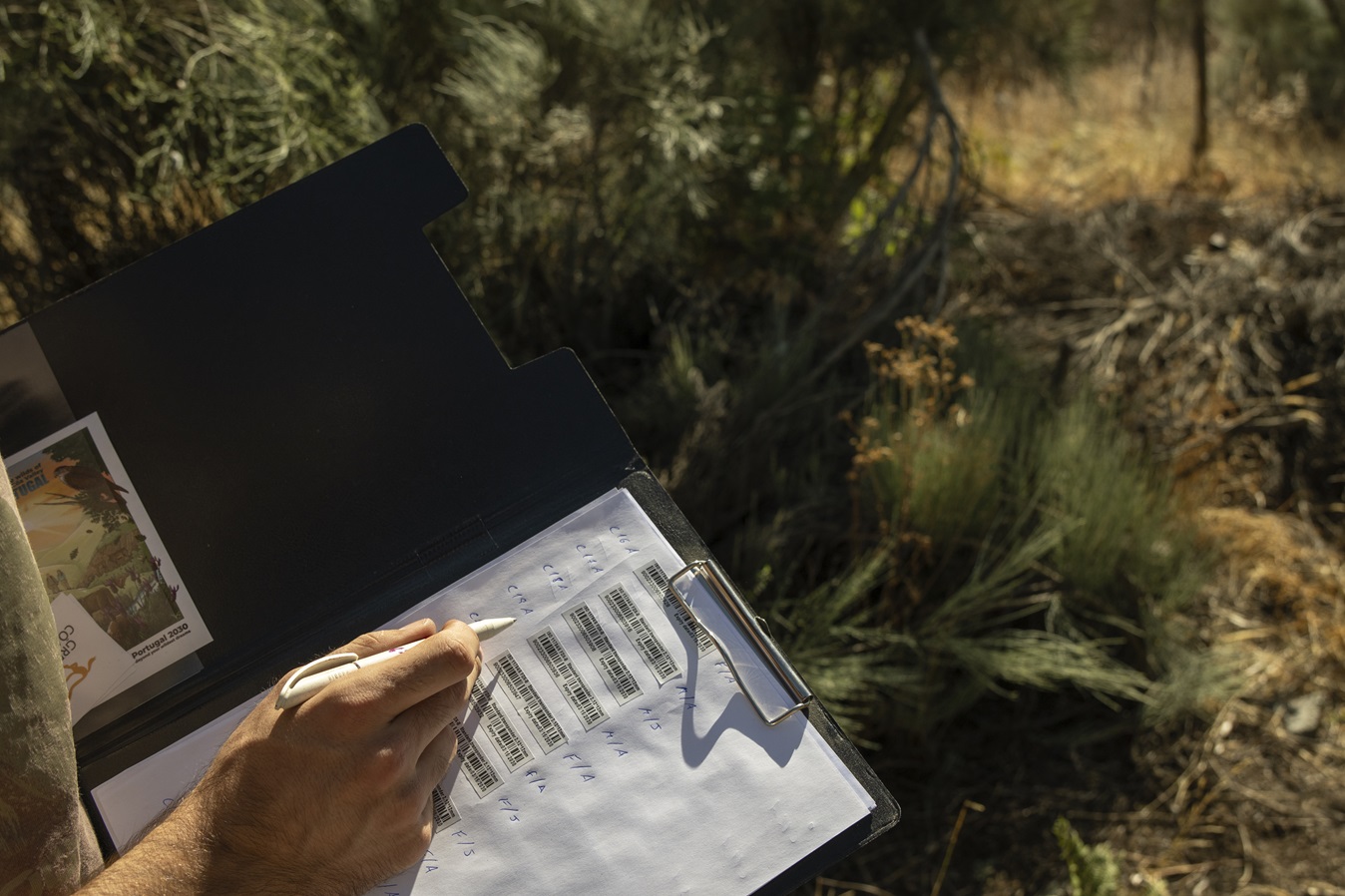
Genetic evaluation of the rabbits used in reinforcements is also essential. In Portugal, only releases of rabbits of the algirus subspecies, which is native to the country, are authorised. In Spain, the slightly larger subspecies cuniculus also occurs. Therefore, all the animals used are tested to guarantee their genetic purity. With the first breeding enclosure up and running, we hope to make the first rabbit reinforcements soon. To have a real impact on the territory, there are not enough rabbits from a single breeding enclosure. The number of animals available is limited and genetic variability is low. We are therefore planning several releases with rabbits from other healthy populations and are looking to collaborate with other breeding pens in the area.
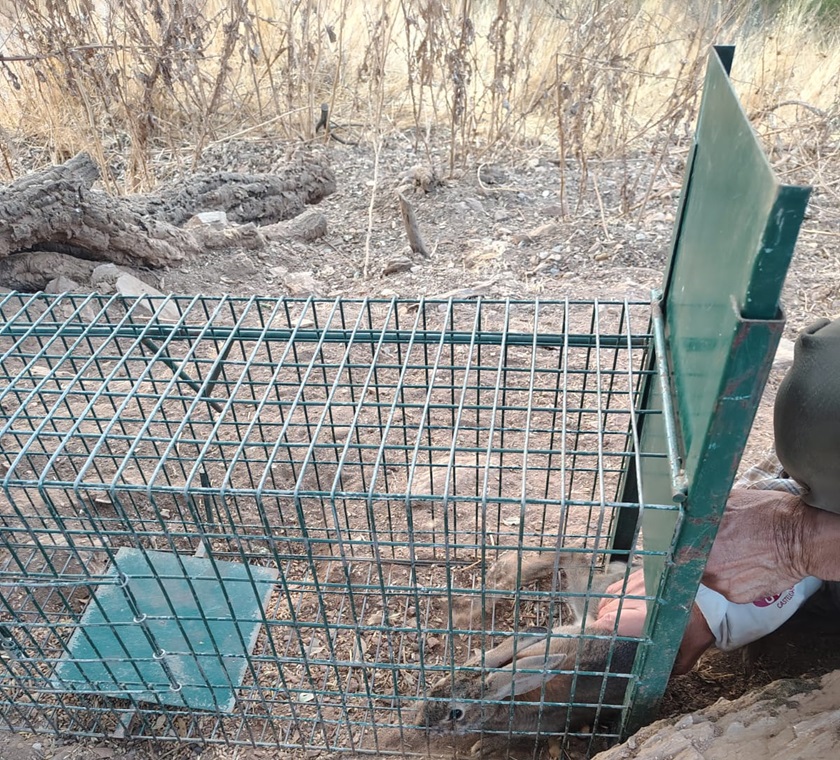
The rabbits released into the field will undergo a period of habituation lasting several months. They will be placed in a fence of around 100m2 with an artificial marsh, food and water. This fence will protect the animals from predators during the first critical months of habituation before being removed. Small family nuclei of one male and three to four females will be introduced to increase the breeding success. In areas where rabbits already exist, no releases will be made to avoid the transmission of possible new strains of disease. All releases will be made in strict collaboration with local hunting areas, ensuring that these animals are not hunted for several years, giving them the opportunity to establish a new population.
In order for rabbits to thrive, it is essential to improve their habitat. Actions such as the construction of artificial marshes, watering holes, sowing and deforestation are just some of the measures to be implemented over the next few years.
LIFE LupiLynx is a cross-border initiative with the aim of contributing to the conservation of the Iberian wolf (Canis lupus) and the Iberian lynx (Lynx pardinus) in areas south of the River Douro. Co-funded by the European Union through the LIFE Programme, the project has a duration of 5 years and its main objectives are to improve social and ecological conditions for the Iberian wolf and lynx and to help communities live in harmony with wildlife, guaranteeing suitable habitat conditions and coexistence with human activities.
Photo credits: João Cosme

